
There are no 'flavorings' in our brewery.
Just live culture, real fruit, herbs and spices.
Pure. Raw. Real.
At KULTCHA, ingredients don’t chase flavor trend. They determine how a kombucha behaves during fermentation, how it unfolds on the palate, and how it feels in the body.
Because fermentation magnifies every input, quality and origin matter deeply— there is nowhere for shortcuts to hide. We choose ingredients for clarity,balance, and integrity, working with trusted growers and suppliers and naming origins where they meaningfully shape flavor. What goes into the bottle is deliberate, transparent, and foundational to everything that follows.


Camellia sinensis
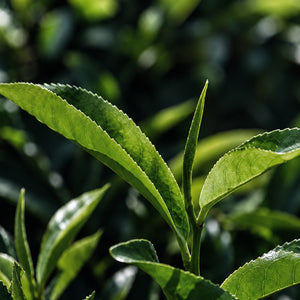
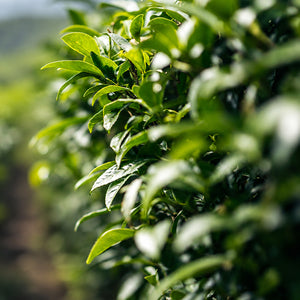
Nantou Pure Green
Tea is the fermentation’s foundation. It provides tannins, subtle aromatics, and a gentle backbone that interacts with microbiology in careful ways. Not all teas are equally suited for raw kombucha. Some teas carry too much roast, too much oxidation, or flavors that overwhelm delicate fruit and acidity.
Green tea, when selected well, brings gentle herbal brightness without dominating.
We source our green tea from a Taiwanese tea specialist with deep roots in Nantou’s tea-growing culture.
We brew low and slow for premium results.


Fermentum draconis
Dragon Spit SCOBY
This is the elixir - the beating heart of KULTCHA.
Our proprietary in-house 'Dragon's Spit' starter culture is a living symbiotic community of bacteria and yeasts that work together to transform tea nutrients and sugar through natural fermentation. Kombucha cultures commonly contain beneficial fermentation bacteria from the Komagataeibacter, Acetobacter and Gluconobacter genera, producing organic acids such as acetic, gluconic and glucuronic acid, alongside other naturally occurring bioactive compounds.
We do not make use of 'kombucha-like additives' in the production of KULTCHA Kombucha. Our culture is raw, live, unpasteurized, 100% natural and certified healthy!
It takes us months to ferment the Dragon Spit that starts our kombucha brews.


Ananas comosus
Taiwan Pineapple
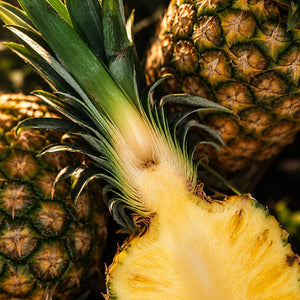
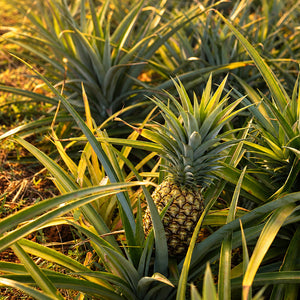
Taiwan sour pineapple is known for its higher acidity and clean fruit character. Compared to sweeter export varieties, it tastes brighter and more focused. That makes it particularly well suited to raw kombucha, where fermentation thrives on clarity rather than richness.
In No.09, pineapple brings immediate freshness. It lifts the aroma, brightens the palate, and plays naturally with kombucha’s organic acids.
Instead of tasting syrupy or tropical-heavy, the result is crisp and lightly tangy—refreshing from the first sip to the last.
100% whole pineapple (nothing added, nothing taken away) is pulped into a thick syrupy liquid that we introduce for second fermentation.


Pandanus amaryllifolius
Dawu Mountain Pandan
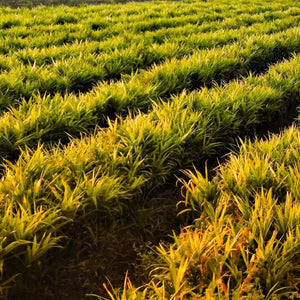
We source our fresh pandan leaves from Wandan, Pingtung, at the foothills of Dawu Mountain, where they are grown using natural farming methods and irrigated with artesian well water. The growing philosophy is simple and disciplined: no chemical fertilizers, no pesticides, and a focus on plants that sit at the intersection of food and traditional use.
In No.21, pandan plays a very different role from fruit. There is no sharpness, no sweetness to lean on. Instead, pandan contributes atmosphere. It softens the profile, adds aromatic depth, and brings a sense of comfort that lingers quietly on the finish.


Zingiber officinale Roscoe
Mingjian Old Ginger
Ginger is one of those ingredients you feel before you analyse. It warms, settles, and refreshes—all at once. For us, it’s never just about heat. It’s about balance.
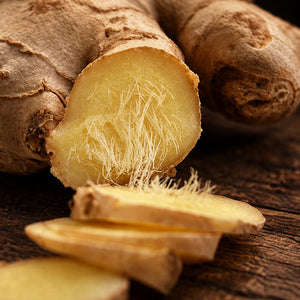
That’s why we use fully matured Taiwanese old ginger (老薑) from Mingjian Township in Nantou. Unlike young ginger, which hits sharp and fast, old ginger is allowed to grow slowly. Time deepens its aroma and transforms the heat into something smoother, warmer, and more grounded.
In our brewing process, ginger plays a supporting role rather than stealing the show. It adds depth, extends the finish, and brings a gentle warmth that sits comfortably with raw kombucha’s natural acidity.


Malus domestica ‘Fuji’
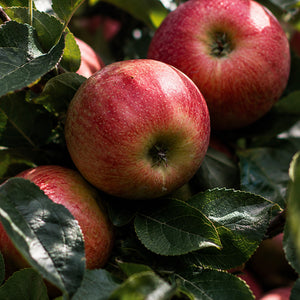
China Red Fuji
China’s export Red Fuji provides consistent flavor, availability, and processing suitability that local seasonal supply cannot reliably offer for fermentation.
Apple brings comfort. It’s familiar, gently sweet, and instantly approachable—the flavor that makes everything else feel at ease. In KULTCHA No.25, apple is the heart of the blend. It softens edges, rounds flavors, and gives the brew its sense of ease and drinkability.
We use whole red apples, skin included, pulped and pressed into a thick juice that carries depth as well as freshness. It’s not there to shout. It’s there to welcome you in.


Cinnamomum loureiroi
Vietnam Cinnamon
Vietnamese cinnamon has higher essential oil concentration and delivers warmth and aromatic depth at lower usage rates, reducing the risk of sweetness or volatility overpowering acidity.
Cinnamon is warmth with discipline. It doesn’t announce itself loudly—it settles in, rounds edges, and carries flavor forward. In KULTCHA No.25, cinnamon is not a sweet note or a festive shortcut. It is structure.
That is why we use Vietnamese cinnamon—valued for its depth and resonance rather than surface sweetness. Used with restraint, it brings cohesion to fruit, acidity, and fermentation without tipping the balance.
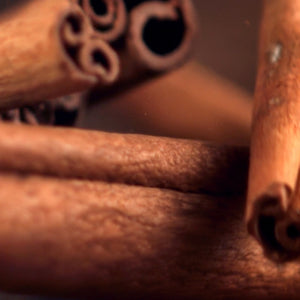
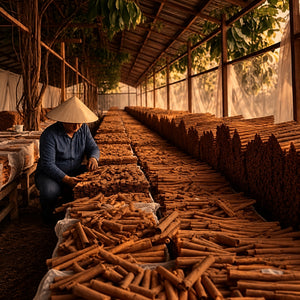
We use whole cinnamon sticks. We don't use 'extract'.


Vaccinium macrocarpon
Canada Cranberry
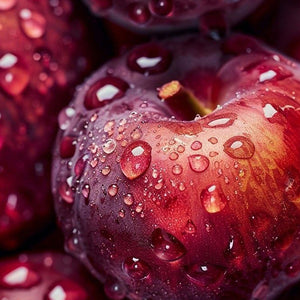
Consistent acidity, clean flavor, and reliable quality make Canadian cranberries better suited to raw kombucha fermentation than selectively available local alternatives.
Cranberry wakes things up. It’s bright, lively, and unmistakably fresh—bringing a spark that lifts everything around it. In KULTCHA No.25, cranberry is the ingredient that keeps the blend feeling light on its feet.
Where apple offers familiarity and cinnamon brings warmth, cranberry adds clarity and energy. It keeps the brew refreshing, crisp, and balanced—never heavy, never overly sweet, always inviting another sip.
We use whole cranberries including their skins. We don't use 'juice'.


Saccharum officinarum L.
Cane Sugar
Sugar is where kombucha begins—but it’s not where it ends. In raw kombucha, sugar is what starts the fermentation process.
At KULTCHA, sugar’s role is simple and deliberate: it feeds fermentation. When that fermentation is done properly, the sugar doesn’t remain as sugar. Yeasts first break sucrose down into simpler sugars
(glucose and fructose). From there, bacteria step in and convert the by-products of that process into organic acids.
What’s left in the bottle is something very different—naturally balanced, gently sweet-and-sour, and shaped by time rather than additives.
We never add sugar to the end product to sweeten.
Source: Taiwan. Origin: Primarily Brazil and Thailand, with other international sources possible.